
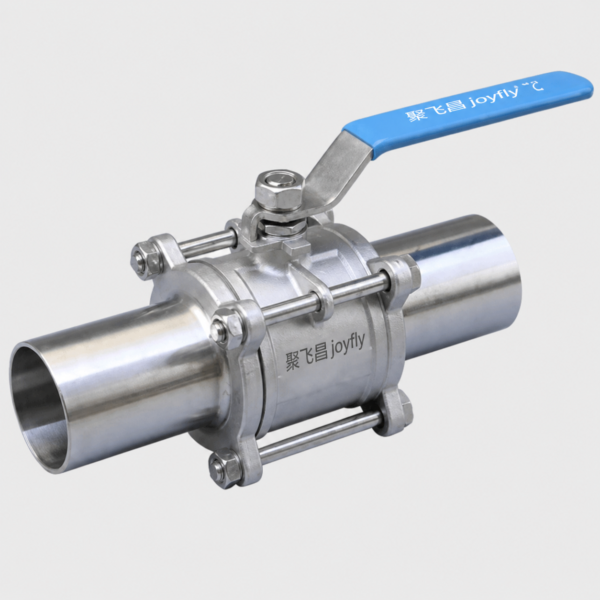
ZHEJIANG JIEDUN /JIEDV Non-Magnetic Valves in Valve & Pipe Industry ZHEJIANG JIEDUN /JIEDV Non-magnetic valves are indispensable for high-magnetic-field environments (e.g., MRI systems). Manufactured from non-ferrous materials (special-grade stainless steels, plastics, ceramics) and adopting pneumatic/mechanical actuation (instead of magnetic solenoids), their common types include dedicated check valves, pneumatic valves, and manual ball valves-all engineered to eliminate magnetic interference or attraction in precision applications. Rationale for Non-Magnetic Valves – MRI Environments Critical for patient monitoring, ventilation, and fluid control, as they prevent image artifacts and magnetic field disruption. – Sensitive Equipment Scenarios Applied in scientific research and industrial processes where magnetic fields may impair precision instruments or operations. Types & Illustrations – Pneumatic Valves Driven by compressed air, eliminating the need for electric solenoids and ensuring inherent non-magnetic properties. – Mechanical/Self-Actuated Valves Operated by fluid pressure or gravity (e.g., non-slam check valves, specialized ball valves), requiring no external magnetic fields. – Material-Specific Valves Components (e.g., engine exhaust valves) made of non-magnetic austenitic stainless steels (304/316 grades), though other parts may still be magnetically susceptible. Core Features – Materials : Non-ferrous metals (brass, select stainless steels) or polymers. – Actuation : Pneumatic (air-powered) or manual (handwheel/lever) drives. – Key Applications : Medical (MRI), aerospace, and specialized industrial automation. Contrast with Magnetic Valves Solenoid valves (typical electromagnetic valves) use electric current to generate magnetic fields for plunger-driven opening/closing. Non-magnetic alternatives eschew this electromagnetic actuation principle entirely.
Reviews
There are no reviews yet.